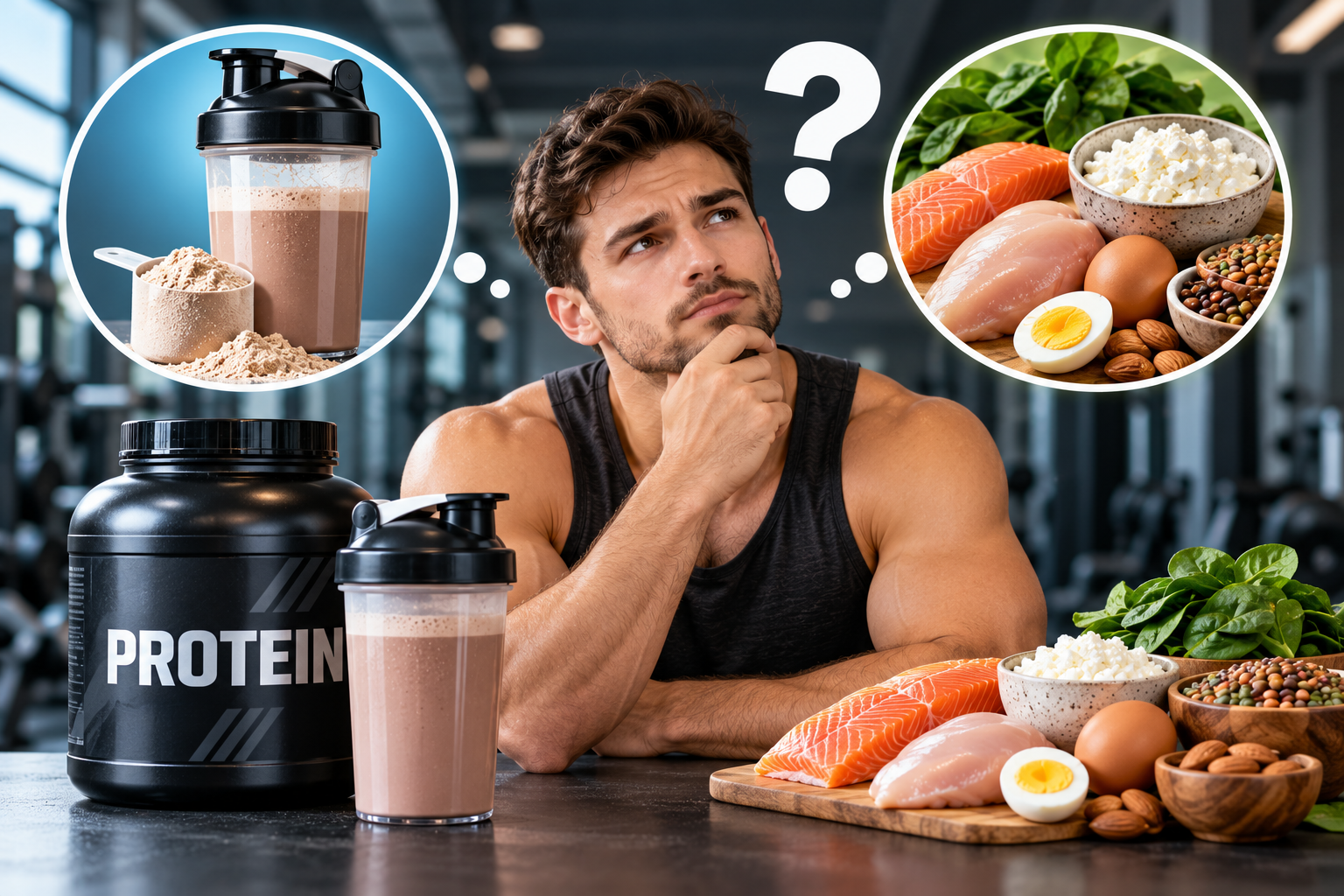
Protein is often considered an essential part of sports nutrition. Some people drink a shake after every workout, while others get all their protein from regular food. In reality, not everyone needs protein powder. What matters most is getting enough protein to support recovery and muscle growth.
Why Does Your Body Need Protein?
Protein is one of the body's main building materials. It helps repair muscle fibers after exercise, maintain muscle mass, and build new tissue. Strength training can increase protein requirements because muscles need to recover from repeated physical stress.
If your diet does not provide enough protein, gaining muscle and recovering from workouts may become more difficult. However, eating extra protein does not guarantee faster muscle growth. Consistent training, a balanced diet, sufficient sleep, and gradually increasing the workload also matter.
How Much Protein Do You Need?
Your needs depend on body weight, age, activity level, and training goals. For many healthy adults who exercise regularly, a useful guideline is about 1.4–2.0 grams of protein per kilogram of body weight per day. For example, someone weighing 70 kg may need approximately 98–140 grams daily.
You do not have to get all your protein from supplements. Meat, fish, eggs, dairy products, legumes, tofu, and other foods can meet your needs when your diet is well planned.
Do You Have to Drink Protein Shakes?
No. Protein powder is a convenient source of protein, not a requirement for athletic progress. If you already get enough protein from food, an additional shake may not be necessary.
A supplement can be useful if you have a busy schedule, cannot eat a proper meal after training, or struggle to reach your daily protein target. A shake can also be a practical snack when your appetite is low or you need something quick.
When Is the Best Time to Drink Protein?
You can have protein whenever it fits your routine: after a workout, between meals, or with breakfast. There is no strict rule that requires you to drink a shake immediately after your last set. For most people, total daily protein intake and consistent intake throughout the day are more important.
If you have not eaten for a while before training, a meal or protein drink may be convenient. After exercise, you can eat a regular meal containing protein and carbohydrates or have a shake if it makes meeting your needs easier.
Which Protein Should You Choose?
Whey protein is quick and convenient to prepare, contains all essential amino acids, and suits many people. Casein is digested more slowly. Plant-based blends made from pea, soy, or other proteins may suit people who avoid dairy. Soy protein also contains all essential amino acids.
Check the protein content per serving, ingredients, sugar content, and how well you tolerate the product. If you have a milk protein allergy, lactose intolerance, or other dietary restrictions, choose an option that suits your needs.
Can You Build Muscle Without Protein Powder?
Yes. You can build muscle without sports supplements if you train consistently, get enough energy and protein from food, and recover properly. Chicken breast, eggs, cottage cheese, Greek yogurt, fish, beans, and lentils can all help provide the protein your diet needs.
Protein powder does not replace a balanced diet or make up for insufficient training. It is simply one way to get this macronutrient.
Conclusion
You do not have to drink protein shakes when you exercise. First, assess how much protein you get from regular food. If you get enough, a supplement may offer little additional benefit. If reaching your target through food is difficult, a protein shake can be a convenient addition to your diet. Consistent training, balanced nutrition, and adequate sleep remain the foundations of progress.