← All articles
How to lose weight without losing muscle mass?
15.10.2026

Losing weight without losing muscle mass is one of the main tasks for those who want to get rid of excess fat and maintain a strong, toned body. To do this, it is not enough to simply reduce the amount of food or increase cardio. It is important to combine nutrition, strength training and recovery correctly.
1. Create a moderate calorie deficit
In order for the body to use up fat reserves, it is necessary to consume fewer calories than it spends during the day. However, too much restriction of nutrition can lead to muscle loss, decreased performance, and constant fatigue.
Start with a moderate deficit of about 10-20% of your daily calorie requirement. This approach allows you to gradually reduce weight and helps maintain muscle mass. Focus not only on the readings of the scales, but also on changes in body volume and strength indicators.
2. Eat enough protein.
Protein is essential for muscle recovery and preservation, especially during weight loss. Good sources are chicken, fish, eggs, cottage cheese, Greek yogurt, and legumes.
With regular exercise, many people can consume about 1.6–2.2 grams of protein per kilogram of body weight per day. For example, at a weight of 70 kg, this is about 112-154 g of protein. The specific need depends on the level of activity, body composition, and health status.
Distribute protein products between main meals to make it easier for the body to get the necessary amount of nutrients.
3. Don't give up strength training.
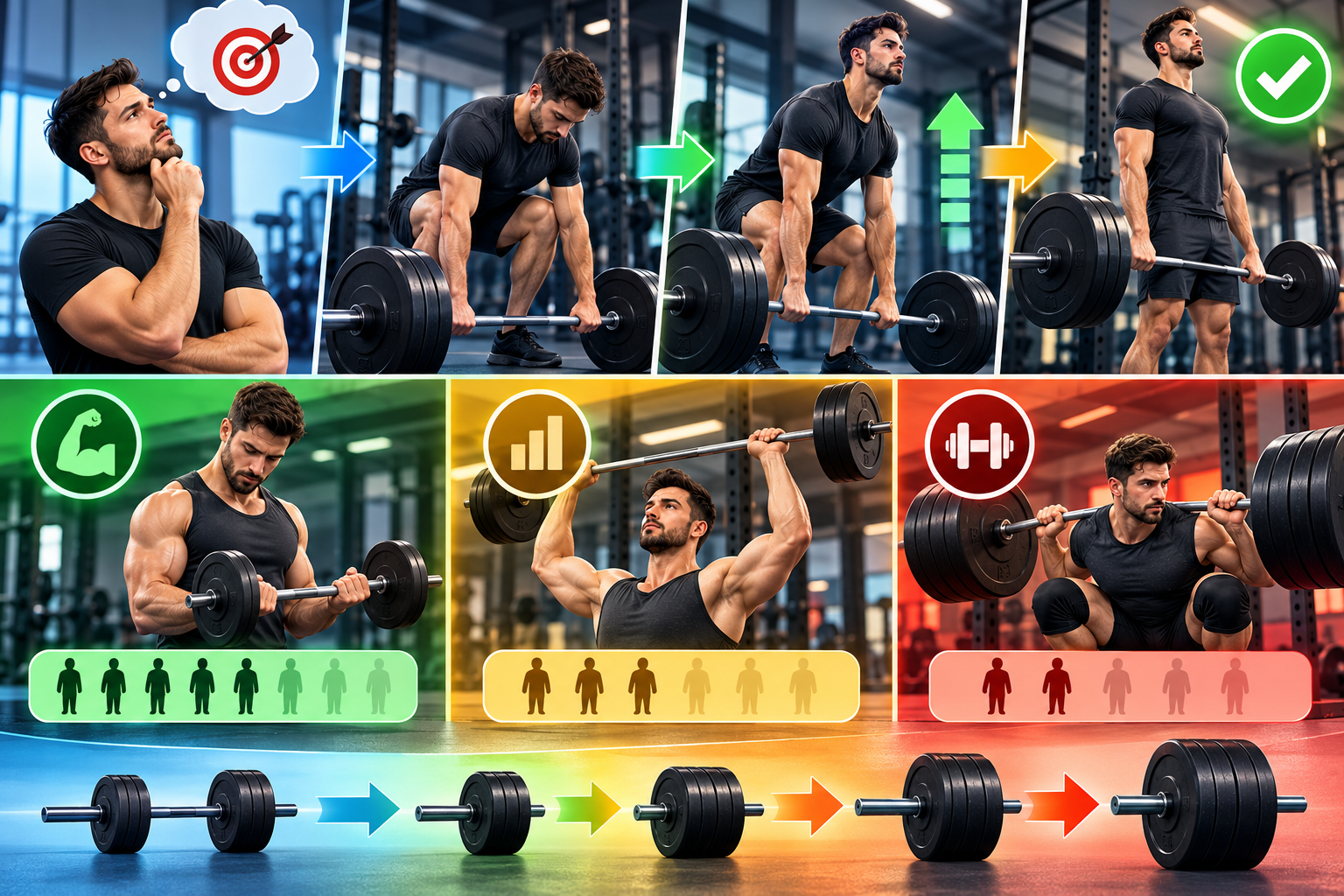
Strength exercises help to maintain muscles while body weight decreases. Squats, push-ups, deadlifts, lunges, and dumbbell exercises give the body an incentive to maintain muscle tissue.
Try to train regularly, paying attention to the main muscle groups. If possible, keep your usual working weights and gradually progress if you have enough strength and recovery. If the indicators temporarily decrease due to a calorie deficit, do not try to compensate for this by excessive exertion.
4. Add cardio without overloading
Walking, cycling, and running help increase energy expenditure and maintain cardiovascular health. However, a large amount of intense cardio combined with insufficient nutrition can impair recovery.
Start with a comfortable load and gradually increase it. Combine cardio with strength training, leaving time for rest.
5. Monitor sleep and recovery
Lack of sleep can increase hunger, reduce performance, and make it difficult to recover from exercise. Try to sleep 7-9 hours a day and not train the same muscles intensively every day.
How do you know that you're losing fat, not muscle?
Evaluate weight dynamics over several weeks, measure your waist circumference, and track your strength performance. Gradual weight loss with relatively stable strength is a good guideline, although it is not a guarantee of maintaining all muscle mass.
Conclusion
To lose weight without significant muscle loss, combine a moderate calorie deficit, sufficient protein, regular strength training, and adequate sleep. Don't try to lose weight as quickly as possible: gradual weight loss is usually easier to maintain in the long run.